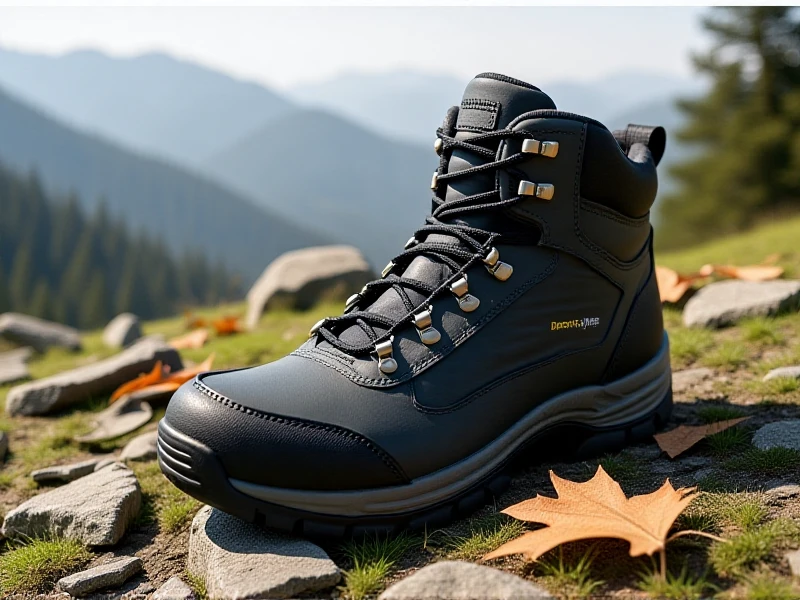
The Ultimate Guide to Choosing the Best Mountaineering Shoes
Reaching a summit, navigating rocky ridges, or tackling challenging terrain demands more than just skill and stamina; it starts with trusted gear at your feet. Mountaineering shoes are the unsung heroes of any alpine adventure, specifically engineered to provide the grip, support, and protection needed where regular hiking boots falter. Choosing the right pair isn't just about comfort; it's about safety and performance when the terrain gets serious.
When selecting your perfect mountaineering shoes, these critical factors should guide your decision:
- Terrain Matching: Assess your primary adventures. Are you tackling technical rock faces requiring maximum precision and stiffness for edging on tiny footholds? Or are you venturing onto glaciers and snowy approaches where insulation, compatibility with crampons (C1 to C3 ratings), and waterproof protection take priority? Matching shoe stiffness and features to your intended routes is paramount.
- Crampon Compatibility: This is non-negotiable. Mountaineering shoes require rigid or semi-rigid soles to effectively and safely secure crampons for glacier travel or steep snow/ice climbs. Ensure the shoe sole matches the crampon binding style (B1/B2 or C1/C2/C3).
- Ankle Support & Durability: While lighter than old-school double boots, modern mountaineering shoes prioritize sturdy construction, reinforced toe caps and heel rands to protect against rock strikes, and ample ankle support for carrying heavy packs and traversing uneven ground without rolling.
- Waterproofness & Insulation (Climate Dependent): Gore-Tex or similar waterproof/breathable liners are standard, crucial for preventing wet, frozen feet in cold, snowy, or wet environments. Insulation levels vary; ultralight options offer minimal insulation for fast ascents in moderate cold, while others prioritize warmth for colder climates and static moments.
- Traction: Aggressive lugs made of highly durable compounds like Vibram provide tenacious grip on mixed snow, ice, wet rock, and scree. Look for multidirectional patterns designed for varied alpine surfaces.
- Fit (The Crux): Never compromise! Mountaineering shoes should fit snugly, like a performance glove, without painful pressure points. Your toes should just touch the end when standing flat-footed but not painfully jammed when heel-kicking steps uphill. Account for thick mountaineering socks. Expect a break-in period – wear them indoors before committing to long days.
Leading brands like La Sportiva, Scarpa, Mammut, and Salewa consistently deliver top-tier mountaineering shoes, each offering models catering to different styles: lightweight speed, technical rock prowess, stiff all-mountain performance, or warmth-focused designs.
Investing in purpose-built mountaineering shoes transforms your experience. They provide confidence-inspiring stability on tricky slopes, protect your feet from the elements and sharp rock, and offer the secure connection to the mountain needed for efficient movement. Your boots are your foundation in the high mountains. Choose wisely, fit meticulously, and your feet will carry you confidently towards breathtaking summits. Gear up for your next ascent!