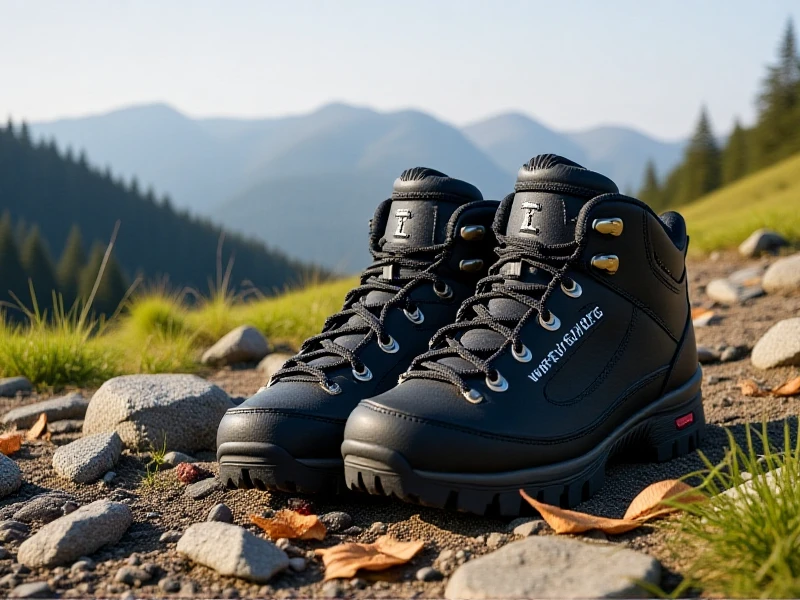
The Ultimate Guide to Finding Your Perfect Pair of Hiking Boots
Hiking boots are essential for any outdoor enthusiast, whether you're tackling rocky trails or enjoying a serene forest walk. They provide crucial support, stability, and protection on uneven terrain. Without the right pair, you risk discomfort or injury, turning an adventurous day into a struggle. In this guide, we'll explore why hiking boots matter and how to choose the best ones for your needs. Plus, we'll share key tips to extend their lifespan, so your boots keep your feet happy on every journey.
First, understanding the different types of hiking boots helps you match them to your activities. Lightweight trail runners are ideal for short, easy hikes, offering flexibility and breathability. Mid-weight boots strike a balance for moderate terrains, like day-long treks, with more ankle support and weather resistance. For harsh conditions or backpacking trips, heavy-duty waterproof boots provide maximum durability and shock absorption. Always consider the sole material too—look for Vibram or similar high-traction rubber for slippery surfaces. Trying on boots in person is key; ensure a snug fit with a bit of wiggle room for toes to prevent blisters.
Many people underestimate how hiking boots can enhance comfort and safety. Quality materials like Gore-Tex linings block rain while allowing sweat to escape, keeping feet dry even in wet weather. The sturdy ankle collars reduce roll-over risks on steep slopes, and thick midsoles offer cushioning to absorb impact, reducing fatigue on long trails. Proper fit also promotes better posture and weight distribution, so you cover more ground without soreness. Plus, investing in durable brands like Merrell or Salomon pays off as these boots last for years with minimal wear. Remember to break in new boots gradually with short walks to mold them to your feet.
Finally, smart buying and maintenance elevate your hiking experience. Check reviews from fellow hikers or trusted sites for real-world insights on durability and performance. When purchasing, prioritize boots that suit your local climate—opt for water-resistant ones if you hike in rainy areas. After each return, clean your hiking boots gently with a brush to remove dirt, and air dry them away from direct heat to preserve materials. Conditioning leather portions occasionally prevents cracking and enhances water resistance. Replace worn laces or insoles to maintain support and comfort. By following these simple steps, your hiking boots will remain reliable partners for countless adventures. So step out with confidence—your next hike awaits with the perfect pair!