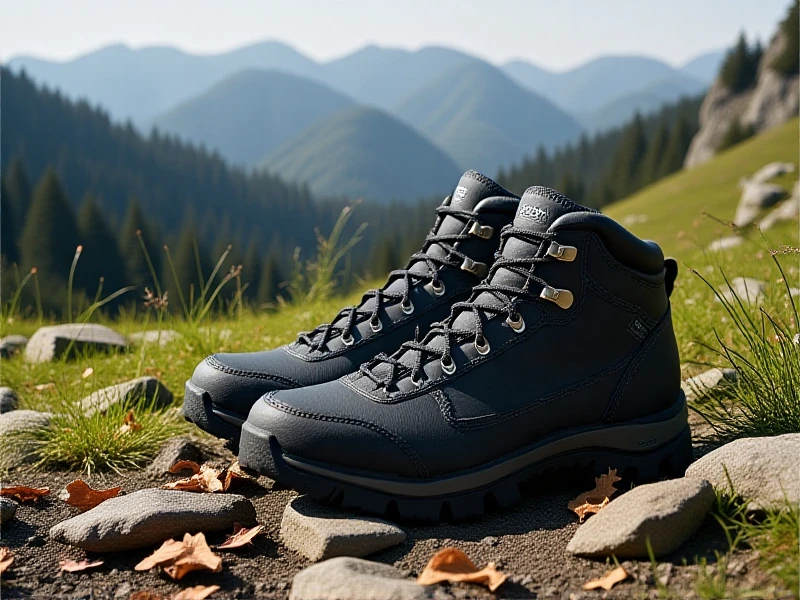
Your Path to Peaks: Choosing the Best Mountaineering Shoes
When you're tackling steep mountain trails or icy ridges, having the right equipment isn't just an option—it's essential for safety and performance. Mountaineering shoes, specifically designed for such demanding environments, offer the grip, support, and durability that standard hiking boots can't match. As an experienced climber, I've seen how investing in quality footwear transforms adventures, preventing slips on loose rocks and keeping feet dry in unpredictable weather. In this guide, I'll break down everything you need to know about mountaineering footwear to help you conquer your next summit with confidence.
What exactly are mountaineering shoes? Unlike everyday sneakers or lightweight trail runners, mountaineering shoes prioritize protection and stability. They're engineered for rocky ascents, providing stiff soles for edging on cliffs and reinforced uppers to withstand abrasions. Key types include approach shoes for easier approaches to climbs, hybrid models for moderate terrain, and full mountaineering boots for technical expeditions on snow or ice. These specialized shoes ensure your feet stay secure, reducing fatigue during long treks. For instance, brands like La Sportiva and Scarpa integrate advanced materials like Vibram rubber outsoles for unbeatable traction, making a reliable pair indispensable for any serious adventurer.
Now, let's dive into key features to look for when selecting mountaineering shoes. Durability tops the list—opt for waterproof membranes like Gore-Tex to handle wet conditions and breathable fabrics to prevent overheating. The right fit is non-negotiable; I always recommend a snug feel without pinching, ensuring your heels lock in place during steep descents. Also, prioritize outsoles with aggressive lugs for grip on mud or ice, and consider insulation if you'll face cold climates, like pairing them with crampons. Remember, mountaineering shoes should flex at the ankle for freedom of movement, yet remain stiff enough to support heavy loads. Testing them on varied surfaces before a big trip is a smart move—it's better to iron out fit issues at home than halfway up a mountain.
Beyond gear specs, the benefits of quality mountaineering shoes extend to your overall experience. They enhance safety by minimizing fall risks and provide long-term value—many pairs last for years with proper care, even on rough terrains. For example, I've scaled everything from the Rockies to the Alps in mine, and they consistently deliver comfort that lets me focus on the view, not foot pain. To get started, assess your typical routes: if you're mostly on trails, a hybrid style suffices, but technical faces demand specialized mountaineering shoes. Finally, invest in a reputable brand early on—your feet and adventures will thank you as you push your limits. Ready to gear up? Start exploring with the perfect pair today and elevate every climb.