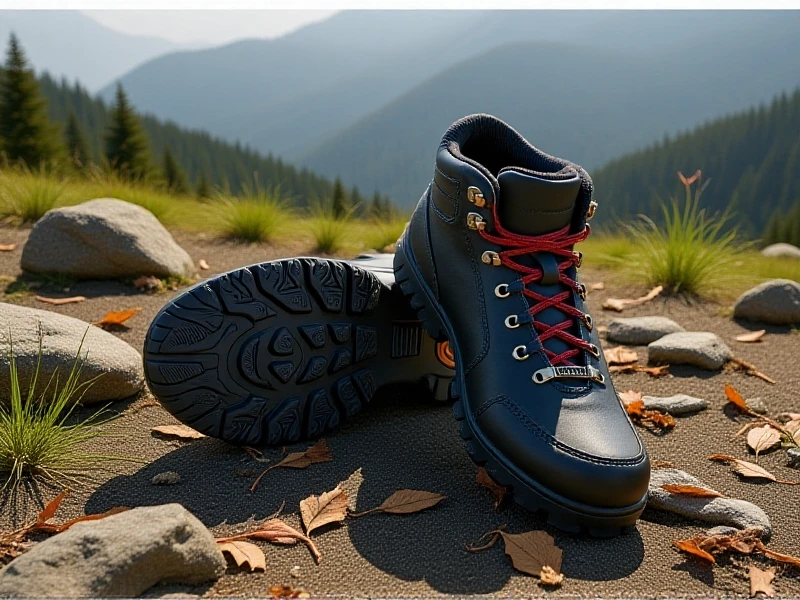
The Essential Guide to Choosing the Right Hiking Shoes for Your Outdoor Adventures
SEO Article on Hiking Shoes
Hiking shoes are a critical piece of gear for anyone exploring trails, mountains, or forests. I've seen too many people start a hike in regular sneakers only to end up with sore feet or worse, an injury. Investing in good hiking shoes enhances your comfort, safety, and overall experience in the wilderness. These specialized shoes provide superior grip on slippery rocks or muddy paths, preventing slips and falls. Plus, they offer better shock absorption, protecting your joints during long treks. In this guide, I'll share key tips based on years of outdoor expertise to help you select the perfect hiking shoes suited to your needs.
When choosing hiking shoes, focus on features like durability and support. Look for waterproof options—many mountain trails involve streams or rainy weather, so Gore-Tex or similar membranes keep your feet dry and comfortable. The sole should have high-traction rubber grips; Vibram outsoles, for instance, excel on rough terrain by preventing slips on steep inclines. Additionally, ankle support matters most for rugged hikes where loose rocks or uneven ground could twist an ankle. Medium to high-cut designs provide stability without sacrificing mobility. Breathability is another factor; breathable mesh materials reduce sweating in warm climates, while added cushioning in the insole supports arch and heel for all-day comfort. I recommend trying hiking shoes in-store if possible, walking on simulated slopes to test the fit. Your feet swell during hikes, so always go for half a size larger to avoid blisters. Brands like Salomon, Merrell, and Columbia offer reliable options across various price points, but personal trials ensure the right match for your foot type.
Beyond features, hiking shoes shine in enhancing trail performance. Their lightweight construction reduces fatigue, letting you cover more miles without strain—essential for multi-day trips where every gram counts. Water-resistant hiking shoes add safety in wet conditions, while reinforced toe boxes shield against rock impacts, a common cause of bruised toes. Regular maintenance prolongs their life; clean muddy soles promptly to prevent tread damage, and reapply waterproof treatments annually. For beginners or seasoned hikers alike, pairing hiking shoes with quality socks made of wool or synthetics prevents chafing and blisters. Ready to upgrade? Check online reviews or visit local outfitters to compare styles. Remember, ill-fitting hiking shoes can turn an adventure into agony, so take time to find your ideal pair. Start your next journey with confidence—proper hiking shoes make every step count.
445 words