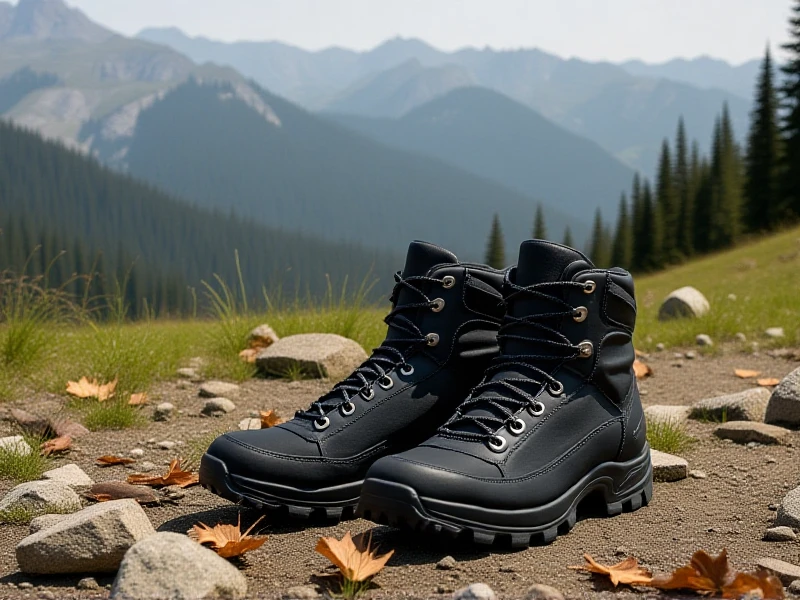
Conquer Every Trail: Your Ultimate Guide to Hiking Boots
Hitting the trails requires more than just enthusiasm; you need gear you can trust, starting from the ground up. Your choice of hiking boots is arguably the most critical decision for any outdoor adventure. Forget soggy socks, sore feet, or precarious slips – the right boots transform challenging paths into exhilarating journeys. Let's demystify what makes the perfect pair.
Beyond the Surface: Core Features That Matter
Waterproofing might be the first feature that comes to mind, and for good reason. Technologies like Gore-Tex® membranes create a reliable barrier against streams, puddles, and surprise rain showers, keeping your feet dry mile after mile. But waterproof alone isn't enough. Breathability is equally essential. Quality boots utilize strategically placed mesh panels or liners that allow sweat vapor to escape, preventing that clammy, uncomfortable feeling inside the boot – a major upgrade from bulky, non-breathing rubber boots.
The true test of hiking boots lies in their grip. Outsoles made from sticky, durable rubber compounds feature deep, multidirectional lugs specifically engineered to bite into diverse surfaces. Those rocks? That slick mud? The off-camber root? A great outsole provides confident traction, reducing the risk of slips and falls significantly. Look for patterns that self-clean, shedding mud quickly to maintain grip.
Protection and Support: Your Foundation on Uneven Ground
Ankle support remains a key differentiator, especially for backpacking or traversing rugged terrain. Mid-cut boots offer crucial stability, helping to prevent rolling and reduce fatigue over long distances. High-cut models provide maximum support for heavy loads or particularly technical trails. The construction matters too – robust materials like full-grain leather or reinforced synthetics shield your feet from impacts and abrasions caused by rocks, roots, and debris. A well-placed toe cap adds another layer of protection upfront.
Finally, the interior must coddle your foot. Adequate cushioning throughout the midsole absorbs shock, softening the blow on joints over extended hikes. A well-designed footbed or insole offers anatomical support, enhancing overall comfort and reducing hotspots. Remember, a proper fit is non-negotiable. Always try boots on with the socks you intend to hike in, ensuring ample toe room and a secure, comfortable heel lock without unwanted movement.
Choosing Your Perfect Partner
Select your hiking boots based on your intended use: lightweight boots shine for short day hikes on established trails; sturdy mid- or high-cut boots are essential for rough terrain, variable weather, or carrying significant weight (backpacking). Don't underestimate the importance of breaking them in thoroughly before a major trek to mold them to your feet comfortably.
Investing in high-quality hiking boots isn't just about avoiding sore feet; it's about unlocking confidence on the trail. The right pair enhances stability, protects you from the elements and terrain, and provides the comfort needed to hike further, explore more, and truly connect with the wild. Lace up confidence; lace up adventure. Find your ideal boot stride today.