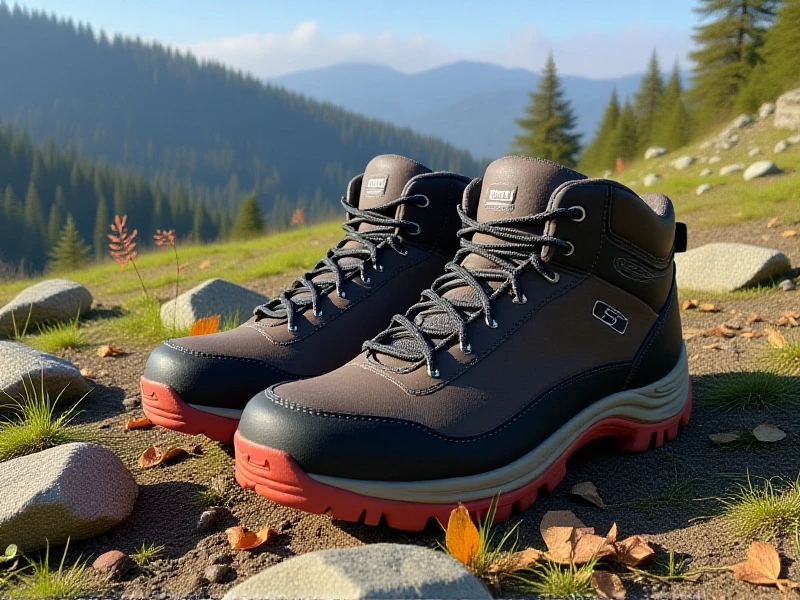
Your Ultimate Guide to Choosing Mountaineering Shoes for Peak Performance
When tackling rugged trails or icy summits, professional climbers know success starts from the ground up. Mountaineering shoes remain the most critical investment for safety and endurance in extreme environments. Unlike standard hiking boots, these specialized footwear solutions blend aggressive traction, waterproof defenses, and ankle support calibrated for vertical terrain.
Performance begins with outsoles. Vibram® rubber compounds dominate premium mountaineering shoes, featuring deep, multi-directional lugs that bite into loose scree and glacial ice. Pair this with crampon compatibility – look for semi-rigid or rigid soles that securely anchor technical ice claws during alpine ascents. The midsole cushioning equally matters; EVA foam absorbs rock impact during long approaches while maintaining sensitivity for edging on narrow ledges.
Waterproofing technology separates contenders from pretenders. Gore-Tex® or comparable membranes create breathable barriers against slushy snow and creek crossings, while sealed seams prevent seepage. In sub-zero zones, insulated models with Thinsulate™ retain warmth without bulk. Remember: a precise fit prevents blisters and instability. Seek mountaineering shoes with customizable lacing systems – heel lock hooks and extended eyelets ensure your foot stays anchored during descents.
Brands like La Sportiva, Scarpa, and Salomon lead in innovation, offering models ranging from lightweight hybrid approaches (ideal for fast-and-light missions) to burly double boots for Himalayan expeditions. Durability features include reinforced toe caps and abrasion-resistant uppers constructed with Cordura® or synthetic overlays.
Ultimately, the right mountaineering shoes transform grueling climbs into controlled adventures. Assess your primary terrain and climate demands, then prioritize protection, precision, and support. Invest wisely – your feet carry your summit dreams.